
Home electrical systems explained in practical terms
The HomDera electrical guides are written for homeowners and apartment residents who want to understand the basic decisions involved in electrical planning before a renovation or equipment purchase. The section covers wiring, power outlets, switches, dedicated circuits, electrical panels, household loads, protective devices, backup power and common issues worth discussing with a qualified electrician.
The aim is not to turn a homeowner into an electrician. It is to make technical conversations easier to follow. When you understand the purpose of a circuit, the difference between power and current, and the role of protective equipment, you can describe your needs more clearly, compare proposals and ask why a particular solution has been recommended.
Important: HomDera electrical content is provided for general information and project preparation. It is not a step-by-step guide to installing wiring, modifying an electrical panel, replacing protective devices, creating an earthing or grounding system, or connecting an inverter, UPS or permanent backup supply. Electrical work must follow local regulations and should be completed by a properly qualified professional.
Topics covered in this section
Main home electrical topics
| Topic | What the guides explain | When it is useful |
|---|---|---|
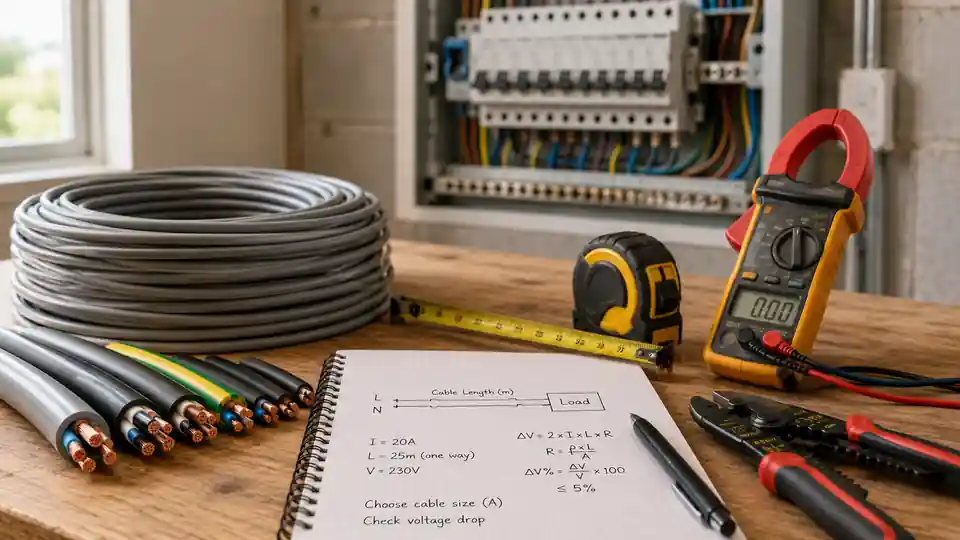
| Wiring and cables | How circuits for lighting, general outlets and high-demand appliances differ, and why conductor material, cable size, installation conditions and grounding matter | Before rewiring a property, renovating a room or reviewing an older electrical installation |
| Outlets and switches | How to plan convenient outlet locations, where dedicated power points may be needed and which layout mistakes commonly cause problems later | When preparing an electrical plan for a kitchen, bathroom, bedroom, workspace or entire home |
| Circuit breakers and electrical panels | What circuit breakers and additional protective devices are intended to do, why circuits are divided into groups and why protection should not be selected by guesswork | Before upgrading an electrical panel or asking an electrician to assess an existing system |
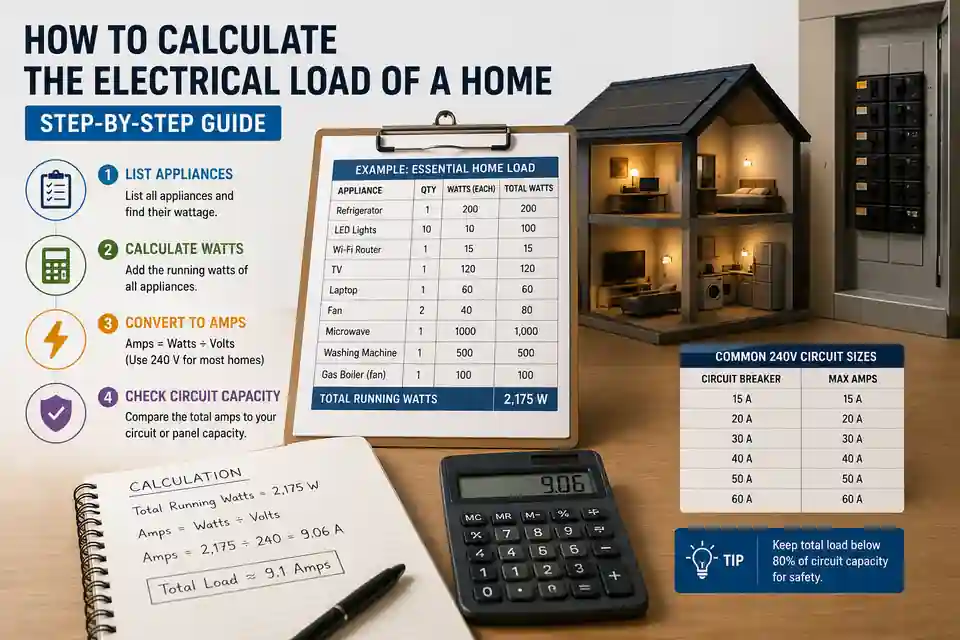
| Household electrical loads | How to make an initial estimate of appliance wattage, current and the combined demand placed on a circuit or property supply | When adding high-power equipment, planning a renovation or investigating frequent breaker trips |
| Backup power | How batteries, UPS systems, inverters, portable power stations and generators relate to heating controls, internet equipment, refrigeration, lighting and other essential devices | When planning temporary power for outages or improving household energy resilience |
| Electrical safety | Why overloaded outlets, loose connections, unsuitable cable, damaged wiring and incorrectly selected protection can create serious risks | When an installation is old, its condition is unknown or new equipment requires a more complex connection |
How to use the electrical guides effectively
- Start with the subject closest to your project, such as wiring, outlets, electrical loads, panel planning or backup power.
- Collect the information that may affect the decision, including appliance ratings, desired outlet locations, existing panel details and the known condition of older wiring.
- Use the HomDera calculators when you need an initial estimate of power demand, current, battery capacity or backup runtime.
- Treat the result as preparation rather than final system design, and ask a qualified electrician to assess the actual installation.
- Check that every proposed solution complies with the electrical codes, connection rules and professional requirements that apply in your country or region.
Preparing for an electrician's visit can save time and reduce misunderstandings. A room plan, appliance list and clear description of future equipment are often more useful than trying to choose cable sizes or protective devices yourself.
What to consider before electrical renovation work
- how many outlets are needed in each room and where furniture, desks, televisions and charging areas will be located;
- which appliances have the highest power demand and whether they may require dedicated circuits;
- whether the property has effective grounding or earthing and what condition the existing wiring is in;
- where the electrical panel and protective devices are located and whether there is space for future circuits;
- whether backup power is planned for heating controls, internet equipment, lighting, refrigeration or other essential devices;
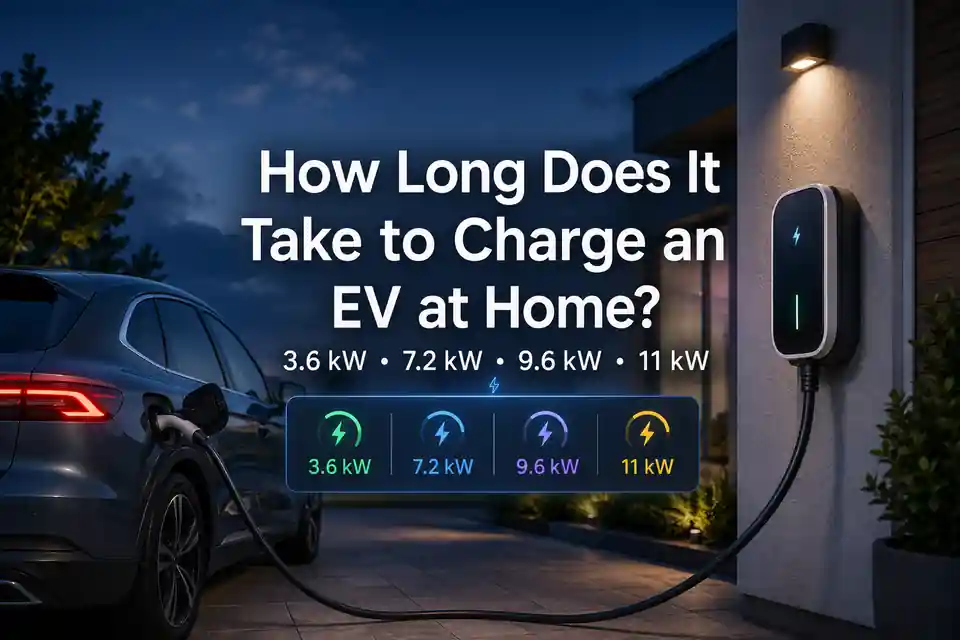
- whether the design should allow for future equipment such as air conditioning, water heating, electric cooking, vehicle charging or additional workspace.
Common problems in household electrical systems
Electrical weaknesses are not always obvious immediately. Undersized or unsuitable wiring, loose connections, overloaded outlet adaptors, damaged insulation, ageing joints and inadequate protection may continue operating for some time while creating excess heat, voltage problems, repeated breaker trips or a risk of electric shock and fire.
This is why electrical planning should consider the complete circuit rather than only the new outlet or appliance being added. Expected load, cable capacity, connection quality, protective devices, installation method and future demand all form part of the same decision. HomDera guides explain this relationship, while the final design should be checked against local conditions by a qualified electrician.
Do not increase a breaker rating, modify an electrical panel, replace fixed wiring, create a grounding connection or connect a permanent inverter or UPS system without the required knowledge and authorisation. An incorrect change may damage equipment, leave wiring unprotected or create a serious shock and fire hazard.
When a qualified electrician should be involved
- when fixed wiring needs to be installed, replaced, extended or inspected;
- when an electrical panel must be assembled, moved, expanded or upgraded;
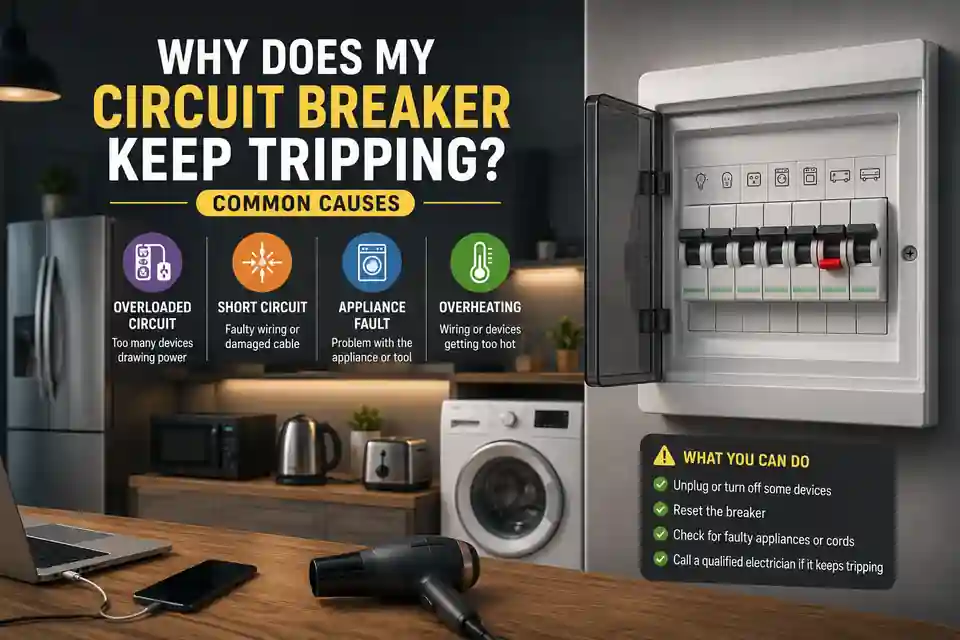
- when breakers trip repeatedly, an outlet becomes hot, lights flicker or there is a burning smell;
- when adding electric cooking equipment, water heaters, air conditioning, electric heating or other high-demand appliances;
- when connecting a generator, inverter, battery system, UPS or permanent household backup supply;
- when existing wiring is old, damaged, made from an unfamiliar material or has no reliable documentation.
Frequently asked questions about home electricity
Can I estimate my home's electrical load myself?
You can create a preliminary estimate by listing the rated power of major appliances and considering which ones may operate at the same time. This is useful for planning discussions, but it is not a complete electrical assessment. Circuit arrangement, cable capacity, starting currents, installation conditions, protective devices and the condition of existing wiring must also be considered.
Will installing a higher-rated circuit breaker provide more power?
No. A circuit breaker must be coordinated with the cable, circuit design, installation method and applicable safety requirements. Increasing its rating without confirming that the wiring can safely carry the additional current may allow the cable or connections to overheat before the breaker operates.
Do high-power appliances need dedicated circuits?
Many high-demand appliances require or benefit from a dedicated circuit, depending on their power rating, connection method and local electrical rules. Electric cooking equipment, water heaters, air conditioners, laundry appliances, electric floor heating and vehicle chargers are common examples. A qualified electrician should determine the appropriate circuit and protection.
Can a UPS or inverter be connected to household wiring?
Backup power can be arranged in several ways, from powering individual devices directly to supplying selected household circuits. Any connection to fixed home wiring must include safe isolation from the external electricity supply, suitable protection and a correctly designed changeover method. Professional installation is essential to prevent backfeeding, overload, equipment damage and danger to utility or emergency workers.
Learn how HomDera prepares its guides, estimates and safety information