




Making sense of renovation materials
The HomDera materials section helps you understand what different renovation products are designed to do, where they can be used and what should be checked before you buy them. The guides cover materials for floors, walls, ceilings, surface preparation, insulation, finishing work and smaller home improvement tasks.
This section is useful when you want to look beyond a contractor's shopping list and understand why each item is included. You can learn why some surfaces need a primer before painting, how flooring waste is calculated, why products for dry rooms may not be suitable for wet areas, and when a project also requires adhesive, grout, sealant, underlay or additional fixings.
The materials you see at the end of a renovation are only part of the project. Preparation products, installation supplies and smaller consumables often have just as much influence on durability, finish quality and total cost.
What the material guides cover
Main topics in the renovation materials section
| Topic | What you will learn | When it is useful |
|---|---|---|
| Preparation materials | Plaster, fillers, primers, levelling compounds, floor bases and preparation for walls and ceilings | When you need to understand what must be completed before the visible finish is installed |
| Finishing materials | Flooring, tile, paint, wallpaper, skirting boards, decorative panels and other visible surfaces | When choosing the final appearance and practical finish for a room or part of the home |
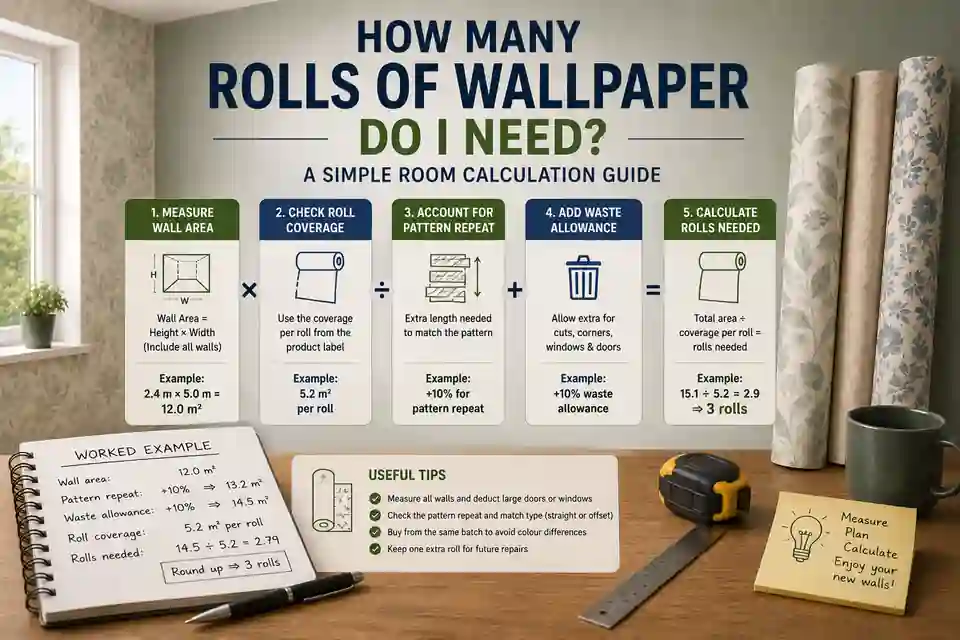
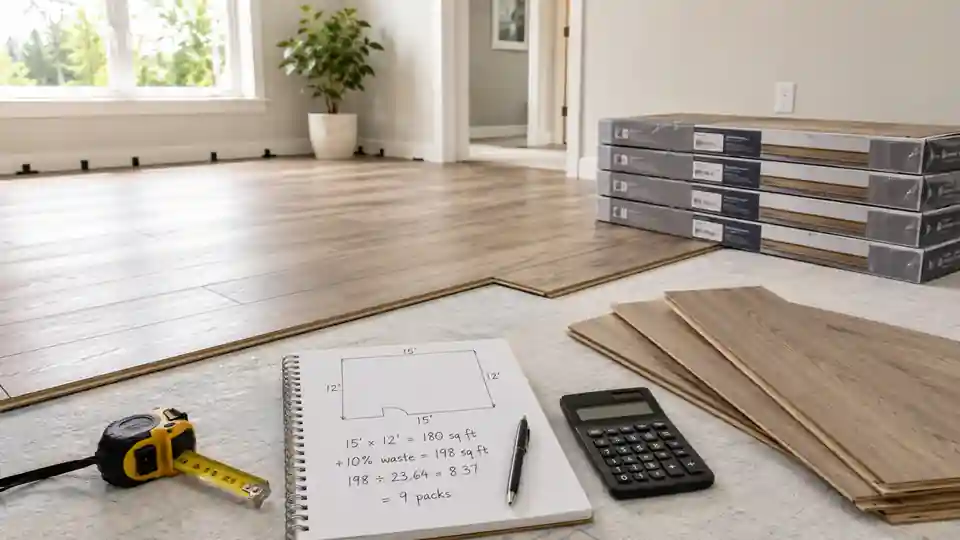
| Waste allowance | How much extra to allow for cutting, breakage, joints, corners, pattern matching, batch variations and future repairs | When you need enough material to finish the project without ordering an excessive amount |
| Budget and premium products | Where a higher price can improve durability, appearance or installation, and where a simpler option may be sufficient | When comparing products at different price levels |
| Insulation | Mineral wool, expanded polystyrene, XPS, common applications, moisture exposure and typical installation mistakes | When selecting insulation for walls, floors, roofs, balconies or other parts of a home |
| Installation supplies | Adhesives, sealants, grout, fixings, masking tape, protective sheeting, rollers, gloves and other consumables | When preparing a complete shopping list rather than counting only the main visible materials |
How to choose materials before buying
- Start with the conditions in the room. Consider whether the area is dry, humid, heavily used, unheated or exposed to frequent temperature changes.
- Check whether the product is compatible with the existing surface, such as concrete, plasterboard, wood, old tile, plaster or a previously painted wall.
- Review the specifications that matter for the project, including moisture resistance, wear rating, coverage, thickness, installation method and recommended use.
- Include the supporting products required for installation, such as primer, adhesive, levelling compound, underlay, fixings, grout and sealant.
- Add a suitable allowance for cuts, breakage, damaged pieces, corners, pattern matching and small repairs that may be needed later.
- Before paying, check the batch number, shade, product label, coverage per pack, expiry date and storage condition.
Do not compare materials only by the price of one pack, roll or container. A lower-priced product may have poorer coverage, require more preparation or depend on additional supplies that increase the final project cost.
Materials and costs that are easy to overlook
Early renovation estimates often include only the obvious products: flooring, tile, paint or wallpaper. A complete order is usually much longer. It may also require underlay, primer, adhesive, grout, screws, wall plugs, masking tape, sealant, protective sheeting, waste bags and personal protective equipment.
These smaller purchases can add a noticeable amount to the budget. Leaving them out makes the project look less expensive during planning, only for the real cost to increase once work has already started.
- primer before painting, filling walls, applying plaster or installing wallpaper;
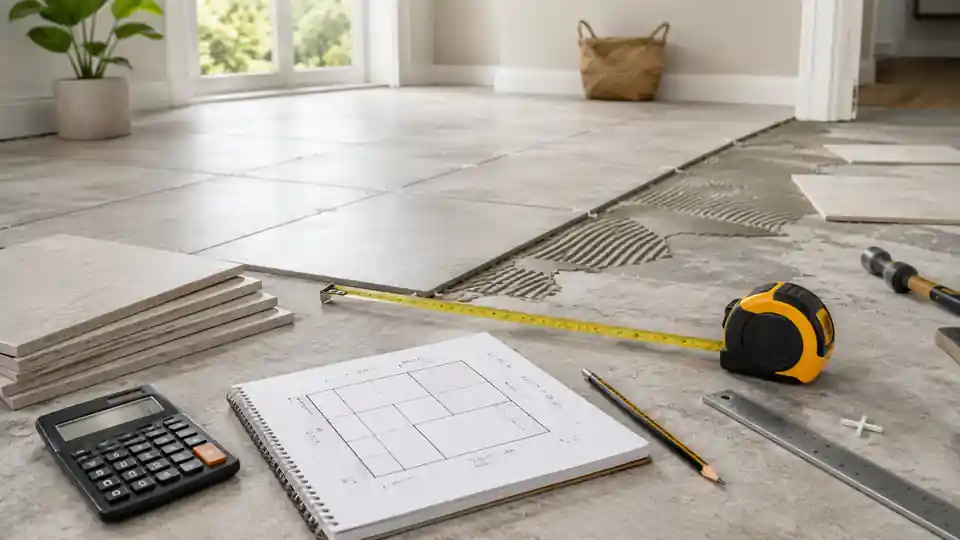
- adhesive, grout, spacers or a tile levelling system for tiled surfaces;
- underlay, skirting boards, thresholds and spare pieces for flooring;
- masking tape, protective sheeting, gloves, abrasive paper, brushes and rollers;
- screws, wall plugs, mounting boxes, conduit and other small installation components;
- waste bags, delivery, carrying materials into the property and removing leftover debris.
Choosing materials for different areas of the home
A product that performs well in one room may be unsuitable in another. Bathrooms, kitchens, hallways, bedrooms and balconies place different demands on surfaces and finishes. Wet areas need moisture protection and correctly installed waterproofing. Hallways require durable, easy-to-clean surfaces. Bedrooms place more emphasis on comfort and indoor suitability, while balconies may expose materials to sunlight, moisture and changing temperatures.
What to consider in different rooms and areas
| Area | Key requirements | Common material examples |
|---|---|---|
| Bathroom or washroom | Moisture resistance, waterproofing, protection against fungal growth and safe flooring | Tile, waterproofing products, moisture-resistant grout and sanitary sealant |
| Kitchen | Easy cleaning, moisture protection, stain resistance and durability in frequently used areas | Tile, washable paint, splashback materials, moisture-resistant finishes and sealant |
| Hallway or entrance area | Wear resistance, protection from dirt and straightforward cleaning | Tile, durable flooring, skirting boards and protective wall finishes |
| Bedroom or living room | Comfort, appearance, indoor suitability and a surface that is pleasant to use | Flooring, wallpaper, interior paint and decorative wall panels |
| Balcony or enclosed balcony | Temperature changes, moisture, sunlight and the condition of the supporting surface | Tile, insulation, waterproofing and materials rated for exterior or moisture-exposed use |
Always choose materials for the actual conditions in the room. A product intended for a dry interior may fail early when exposed to bathroom moisture, kitchen splashes or temperature changes on a balcony.
How the material guides support better renovation decisions
The articles in this section explain more than product names. They show the purpose of each material, the mistakes that commonly affect a project, the factors that influence quantity and the specifications worth checking before an order is placed. This makes it easier to compare options on practical value rather than price alone.
A reliable buying process starts with the job itself: define the conditions, choose a suitable material, calculate the required quantity and only then place the order.
When professional advice is worth getting
- when a product will be used in a wet area or forms part of a waterproofing system;
- when floors, walls or the supporting base require substantial levelling or repair;
- when the work involves electrical systems, insulation, vapour control or waterproofing;
- when you are uncertain whether primers, adhesives, coatings or other products are compatible;
- when an incorrect purchase could result in significant waste, damage or expensive rework.
HomDera material guides are intended for general information and preliminary planning. They can help you understand product types and prepare a more complete shopping list, but complex work should be reviewed by an appropriately qualified contractor, electrician, engineer or other relevant professional.