





Important: HomDera guides and calculators about batteries, UPS systems, inverters, boilers, heating equipment and household electrical loads are provided for general planning purposes. Installation, permanent connections, wiring changes and work inside an electrical panel must be completed or approved by a qualified electrician.
What home energy resilience means in practice
Home energy resilience is the ability to keep essential equipment operating when the normal electricity supply is unavailable. It does not always mean running an entire home for several days. For many households, a practical backup system is one that maintains lighting, internet access, phone charging, heating controls, refrigeration or a small number of important appliances.
HomDera explains backup power through the decisions that need to be made before equipment is purchased. Which devices are genuinely essential? How much power do they use together? How long should they operate? Does an appliance require a pure sine wave output or additional starting power? How much of the battery's advertised capacity will actually be available after conversion losses and safe discharge limits are considered?
Why a home backup power system can be useful
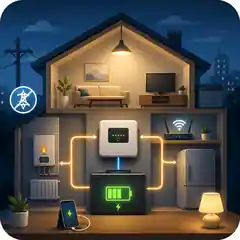
A properly planned backup system can maintain basic lighting, internet access, phone charging and selected household equipment during a power outage.
Before comparing batteries, UPS units, inverters or portable power stations, identify exactly which devices need power and how long they should continue operating.
A system selected from headline capacity alone may be unable to handle the real load, may shut down when an appliance starts or may provide far less runtime than expected.
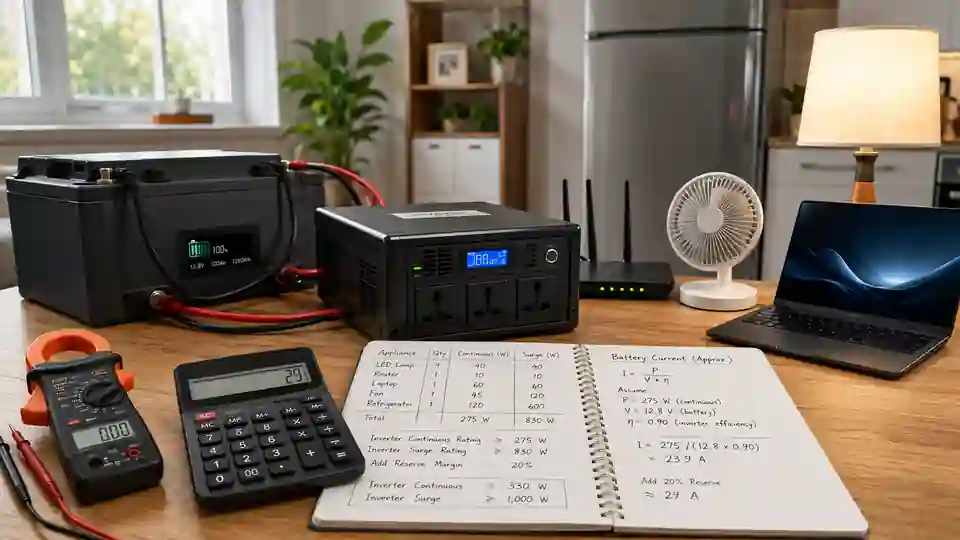
The most reliable starting point is a simple load list showing each device, its normal power demand, any starting surge and the required operating time.
Which devices can be supported by backup power
Most households do not need to connect every circuit and appliance to backup power. Prioritising a limited number of essential loads usually reduces the cost, simplifies battery sizing and makes the available energy last longer. It also helps prevent high-power appliances from overloading the system.
Common devices included in a home backup plan
| Device or load | Why it may be important | What to check |
|---|---|---|
| Router, modem and network equipment | Maintains internet access and communication during an outage | Check the power adapters, required voltage and combined wattage of all network devices |
| Essential lighting | Provides safe movement and basic visibility around the home | Use efficient LED lighting and limit the number of lights connected to backup power |
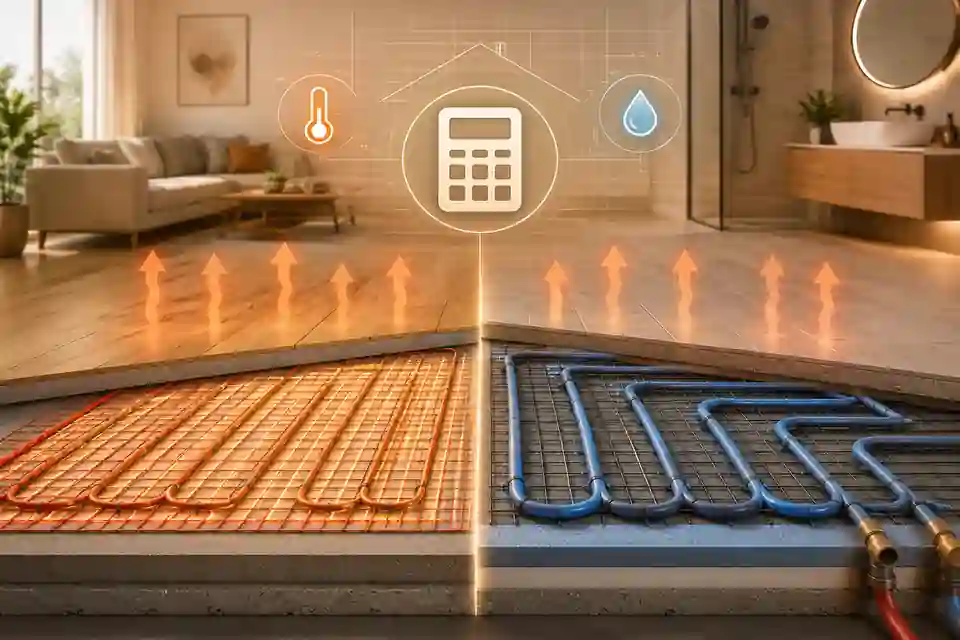
| Boiler or heating system | Allows heating controls, pumps or a boiler to continue operating | Check continuous power, starting demand, grounding requirements and whether a pure sine wave output is required |
| Refrigerator or freezer | Helps protect food during a longer outage | Allow for compressor starting surge and avoid sizing the inverter from running wattage alone |
| Laptop, phone and small electronics | Supports work, study, information access and communication | These devices usually need less capacity than heating equipment or major household appliances |
| Selected household circuits | Allows several essential devices to operate from one backup system | Requires load planning, suitable protection and professional connection to the home electrical system |
Do not begin with the question, “Which battery should I buy?” Begin with a list of essential devices, their wattage, starting requirements and desired runtime. The battery and inverter can only be sized properly after the load is understood.
Common home backup power options
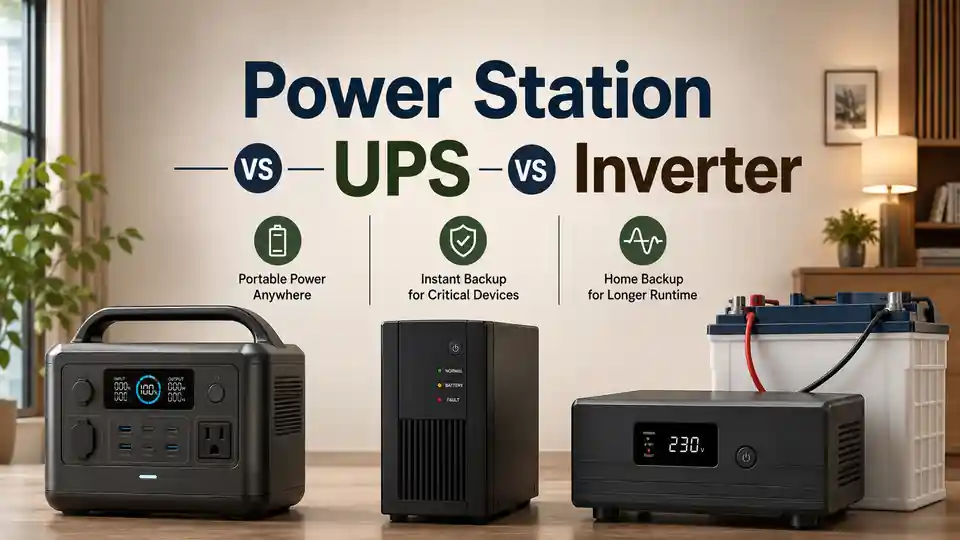
- A UPS can provide short-term backup for a router, computer, boiler or another selected device, provided its output power, battery capacity and waveform are suitable for the connected equipment.
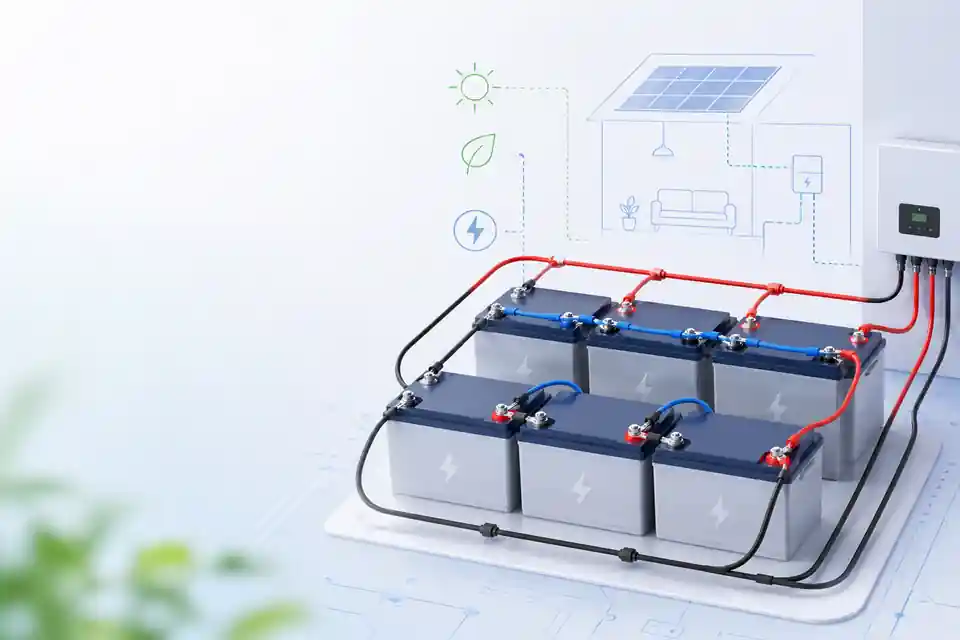
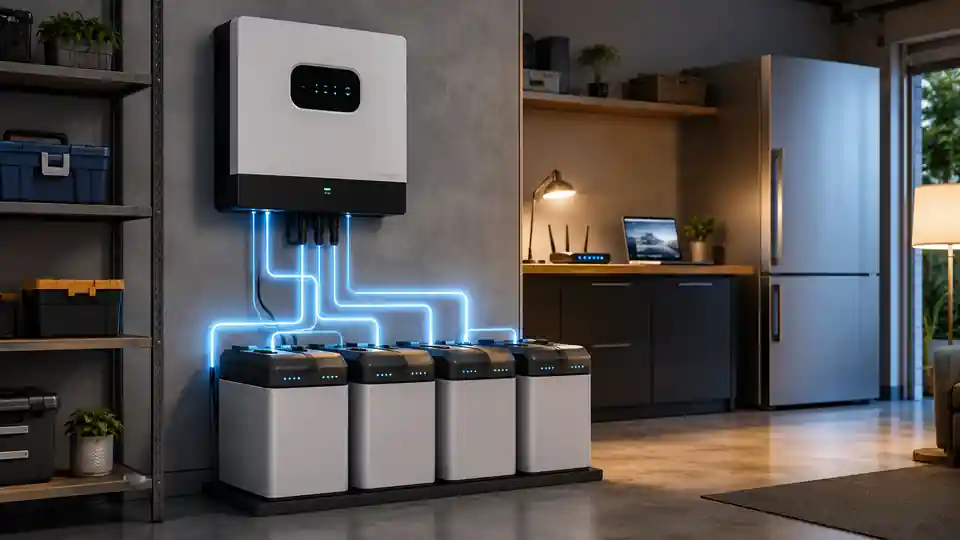
- A separate battery and inverter system can offer longer runtime and greater flexibility, but it also requires correctly sized cables, overcurrent protection, ventilation, suitable charging and safe installation.
- A portable power station is often easier to use because the battery, charger, inverter and protection are combined in one unit. The usable capacity, continuous output, surge rating, charging time and battery chemistry still need to be checked.
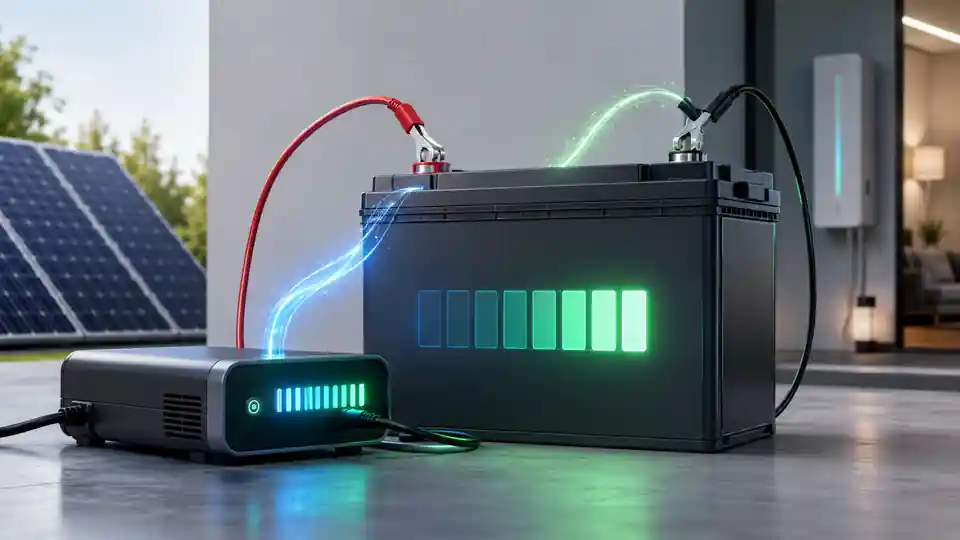
- Solar panels can help recharge a compatible system, but daily energy production depends on panel size, orientation, weather, season, shading, controller limits and the charging specifications of the battery or power station.
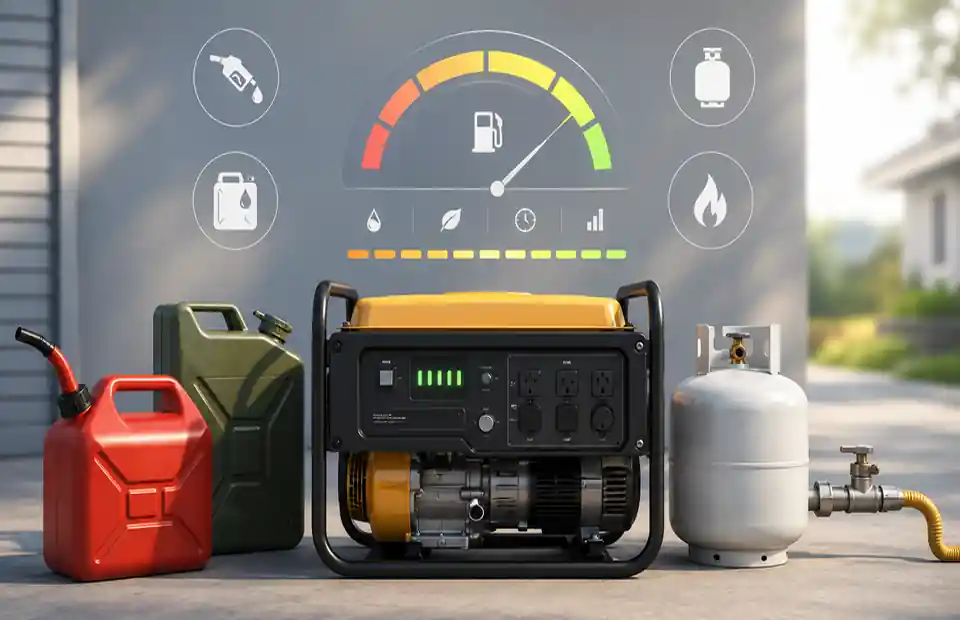
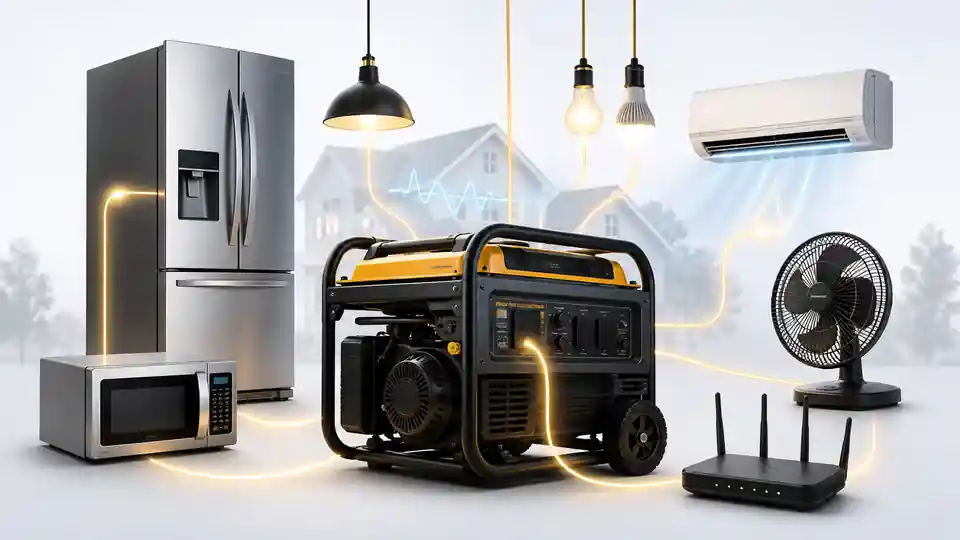
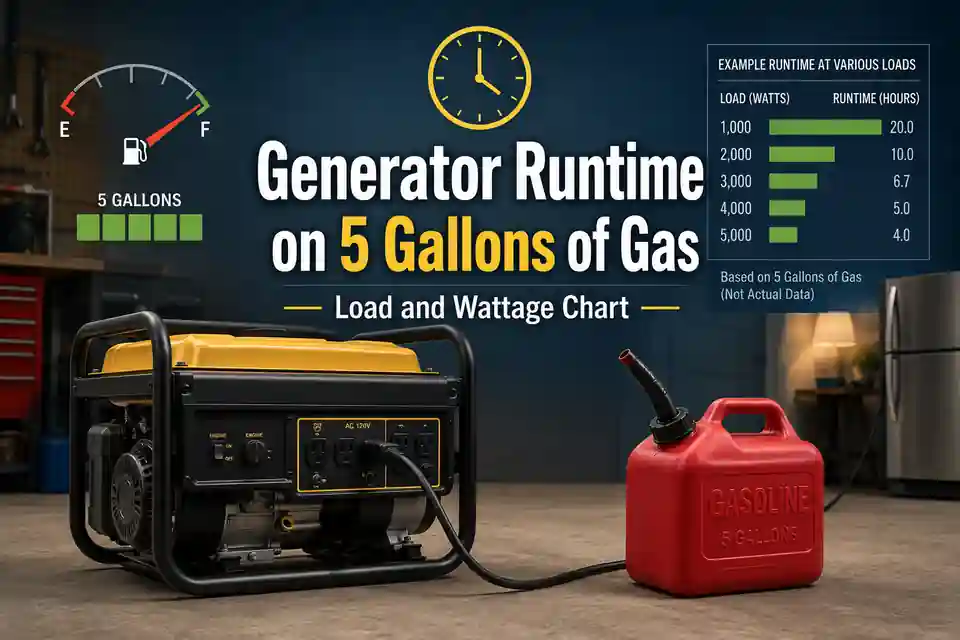
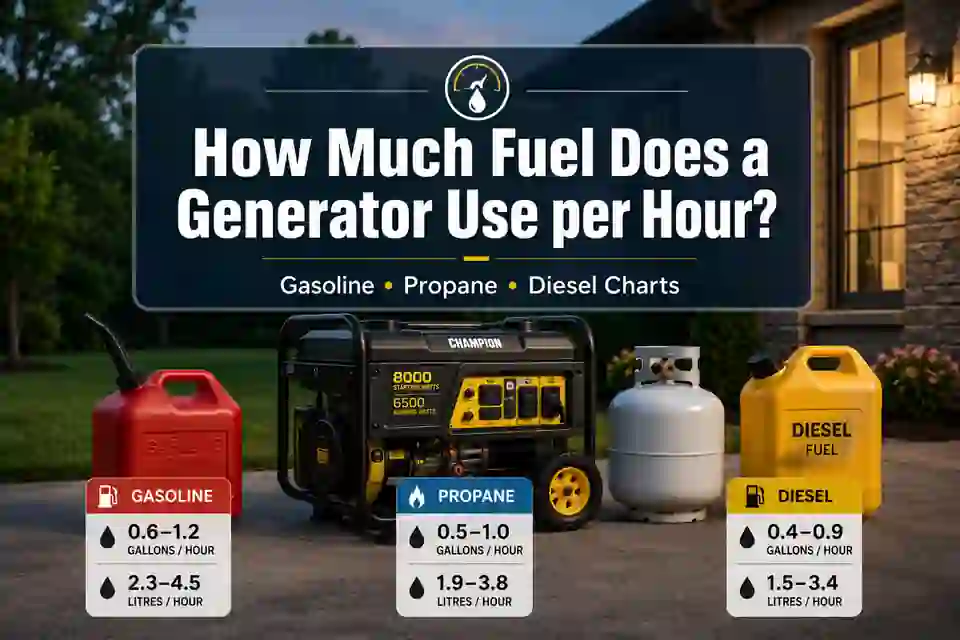
- A generator can support larger loads or longer outages, but it introduces fuel, noise, maintenance and serious exhaust safety requirements. Fuel-powered generators must never be operated indoors, in a garage or close to doors, windows or ventilation openings.
- A dedicated backup circuit can make essential loads easier to manage, but its design, protection and connection should be handled by a qualified electrician.
What to calculate before buying equipment
Three figures provide the foundation for an initial backup power plan: the combined load in watts, the required operating time and the usable energy available from the battery. Ignoring any one of them can produce a system that appears adequate in product listings but performs poorly in the home.
Consider a household that wants to operate a router, several LED lights, a laptop and a boiler or heating pump. The product labels may suggest that the total load is modest, but the final calculation must also allow for inverter losses, starting surges, safe battery discharge limits, equipment that cycles on and off, and enough spare output to avoid running the inverter continuously at its maximum rating.
Factors that affect actual battery runtime
| Factor | What it describes | Why it matters |
|---|---|---|
| Connected load | The combined wattage of all devices operating at the same time | A higher load uses the stored energy more quickly |
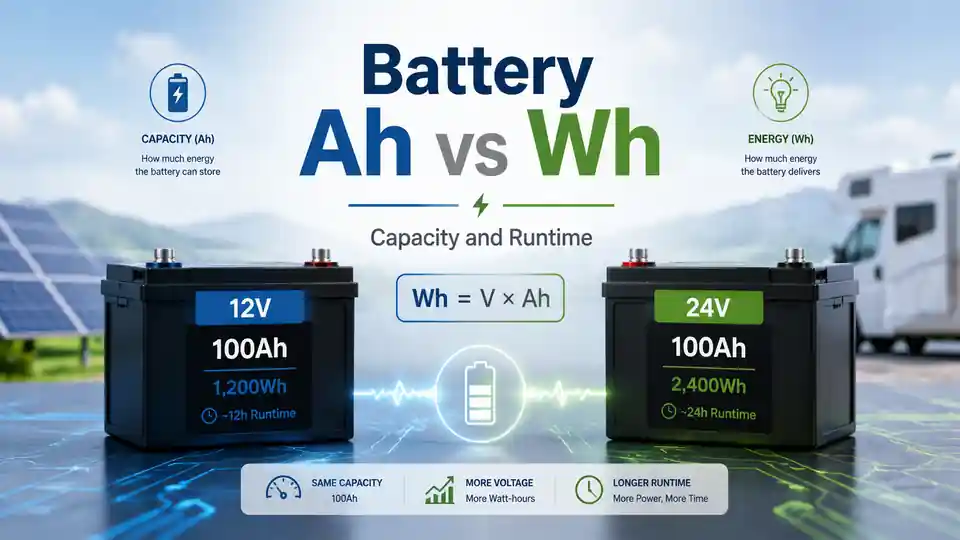
| Battery energy capacity | The amount of energy the battery can store, commonly expressed in watt-hours | The advertised capacity may be higher than the amount safely available to the load |
| System voltage | The voltage used by the battery bank, such as 12, 24 or 48 volts | It affects current, cable size, voltage drop, equipment compatibility and system efficiency |
| Inverter efficiency | The proportion of battery energy successfully converted into usable AC power | Conversion losses reduce runtime compared with an ideal calculation |
| Permitted depth of discharge | The percentage of stored capacity that can be used without exceeding the recommended discharge limit | It depends on battery chemistry, manufacturer guidance and the desired battery lifespan |
| Starting surge | A short increase in power when a compressor, pump, motor or similar device starts | The inverter must handle the surge even when the normal running wattage is much lower |
| Battery age and temperature | The condition and operating environment of the battery | Older batteries and unsuitable temperatures can reduce available capacity and performance |
Calculators for batteries and backup power
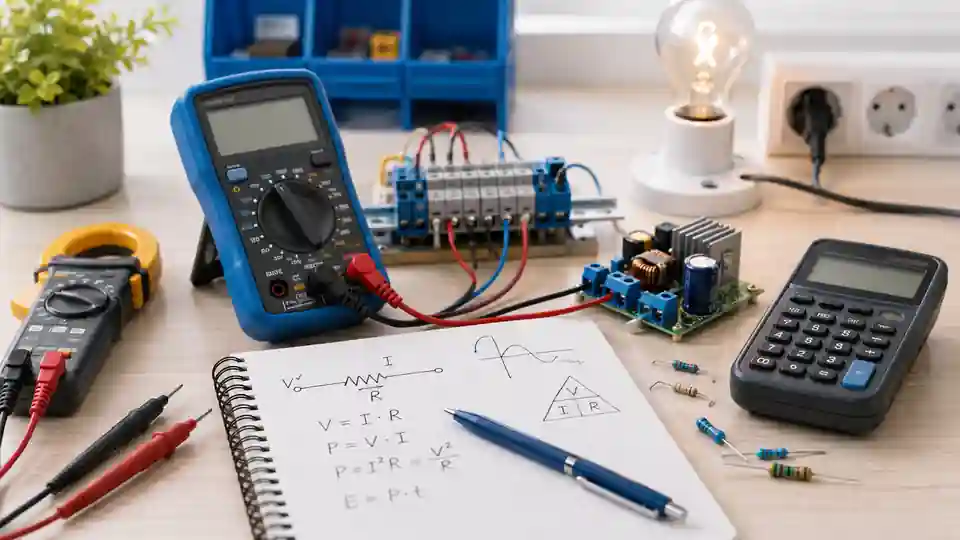
HomDera calculators provide an initial reference point before you compare a battery, UPS, inverter or larger backup system. They do not replace equipment design or an electrical assessment, but they make it easier to understand the approximate capacity, power and runtime your scenario may require.
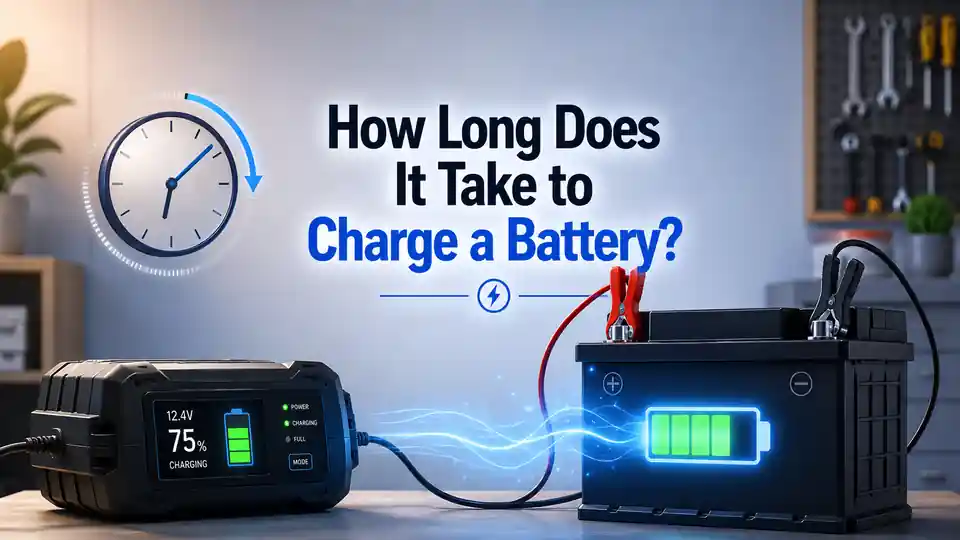
- battery runtime calculator — estimates how long a selected load may operate from a battery after basic losses and usable capacity are considered;
- battery calculator for a boiler or heating system — estimates the battery capacity needed for a target period of operation;
- UPS calculator for essential home devices — helps compare required output power with the expected backup time;
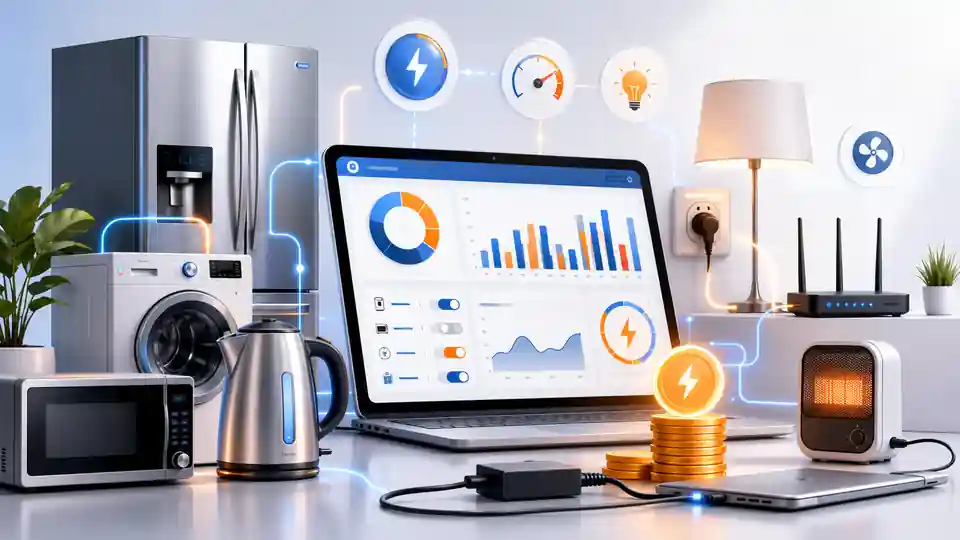
- household electrical load calculator — adds appliance wattage and provides an approximate current for initial planning.
Do not connect an inverter, battery or UPS directly to household wiring unless the system has been designed for that purpose and the work is completed by a qualified professional. Unsafe connections can energise circuits unexpectedly, damage equipment, create a fire risk or endanger utility workers.
Common backup power planning mistakes
- Sizing the system from battery capacity alone and ignoring inverter efficiency and standby consumption.
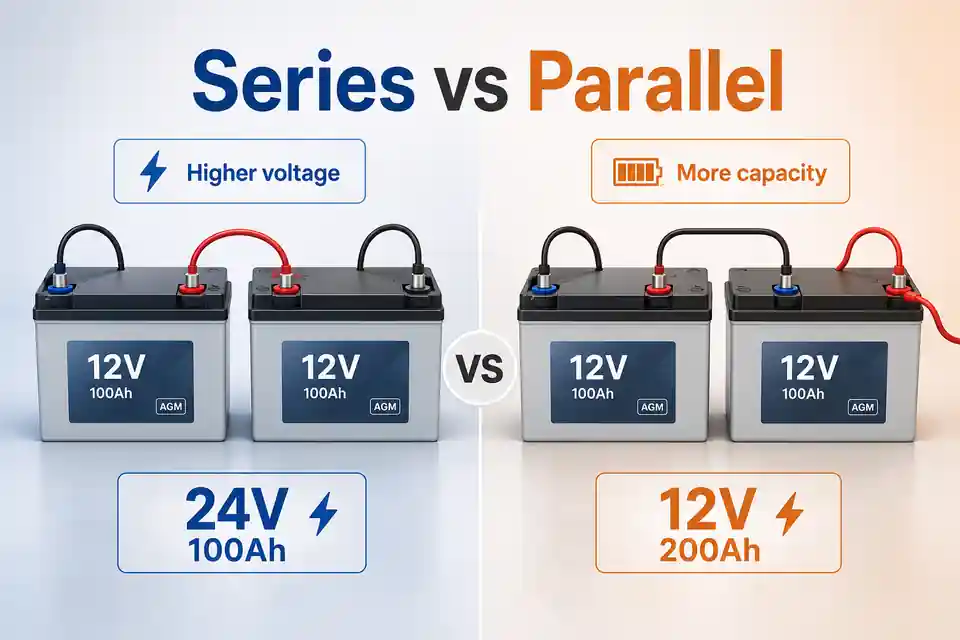
- Comparing amp-hours without accounting for battery voltage or converting the figure into watt-hours.
- Using only the normal running wattage of a refrigerator, pump or boiler and overlooking its starting surge.
- Connecting too many devices because each one appears to use relatively little power on its own.
- Choosing an inverter with no reasonable margin above the expected continuous load.
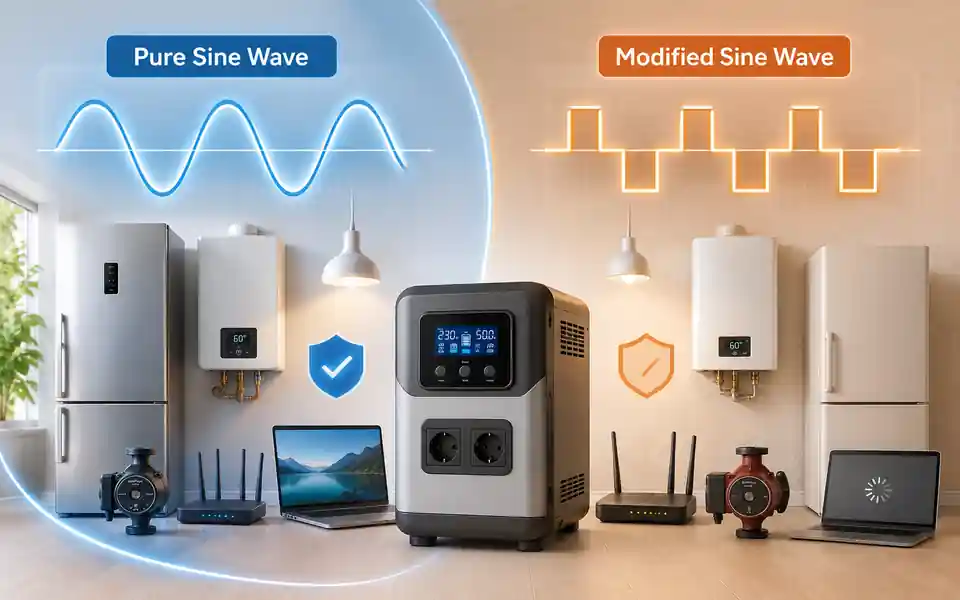
- Failing to check whether sensitive equipment requires a pure sine wave output.
- Assuming that all of the battery's advertised capacity can be used without affecting reliability or battery life.
- Using undersized cables, unsuitable connectors or inadequate overcurrent protection.
- Placing batteries or power equipment in an unsuitable location without considering ventilation, temperature and manufacturer clearances.
- Planning a permanent connection to the home electrical system without professional design and isolation protection.
Guides to home backup power and battery planning
HomDera guides explain the reasoning behind backup power decisions without assuming specialist electrical knowledge. They cover essential-load planning, usable battery capacity, inverter losses, starting power, realistic runtime and the practical limits of small household backup systems.
This information can be useful before comparing a portable power station, UPS, battery, inverter, generator or boiler backup package. It helps you look beyond the largest number on the product page and ask more useful questions about output, capacity, charging, safety, compatibility and long-term use.
Frequently asked questions
Can an apartment or house become completely independent from the grid?
A high level of energy independence is technically possible, but full off-grid operation requires much more than a large battery. It may involve substantial generation capacity, energy storage, charging equipment, load management, seasonal planning and professional system design. For most homes, supporting a carefully selected group of essential loads is more practical and affordable.
Why does a battery provide less runtime than expected?
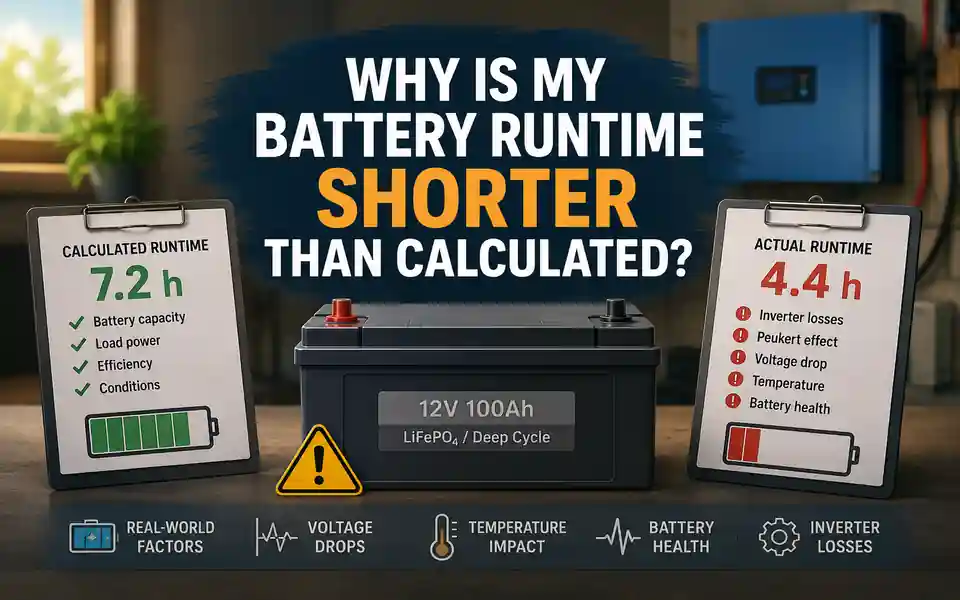
Real runtime is affected by connected load, inverter losses, permitted depth of discharge, battery chemistry, battery condition, temperature, standby consumption and appliance starting surges. Product capacity is therefore only one part of the calculation, and any runtime estimate should be treated as approximate.
Do I need an electrician for a UPS or portable power station?
A self-contained unit supplying one device through its own outlets is generally simpler to use when the manufacturer's instructions are followed. Professional help is required when equipment is connected to fixed wiring, an electrical panel, a boiler circuit, a transfer system, a dedicated backup line or several household circuits.
Explore the battery and UPS calculators