








Practical renovation guidance for better planning and fewer surprises
This section brings together practical guides for planning the renovation of a room, apartment, house or other residential space. The articles explain how to organise the work, build a realistic budget, estimate the materials you may need and identify decisions that should be made before contractors arrive or orders are placed.
HomDera is written for homeowners who want to understand the project rather than simply accept an unexplained quote or shopping list. The focus is on useful preparation: what to inspect, which measurements to record, how to compare options, what costs are easily overlooked and when a qualified professional should be involved.
The renovation guides are intended to lead to practical action: clearer measurements, a more complete budget, a sensible work sequence and better-informed conversations with contractors and suppliers.
How to start planning a renovation
- Define the scope of the project: a cosmetic update, a partial renovation, a full refurbishment or improvements completed in stages.
- Inspect the current condition of the room, including floors, walls, ceilings, wiring, plumbing, doors and windows.
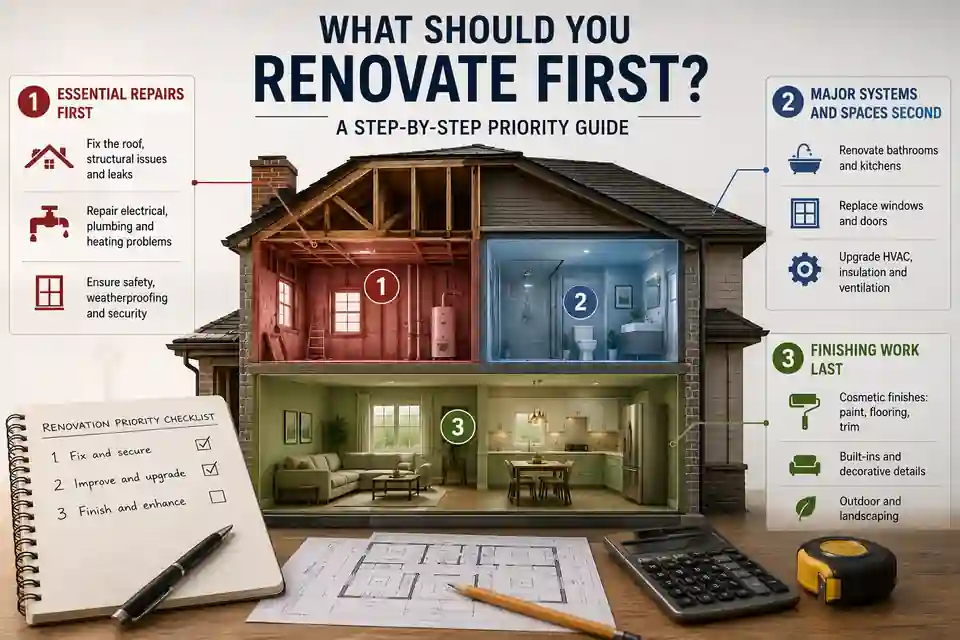
- Arrange the work in a sensible order so that completed finishes do not need to be removed or repaired later.
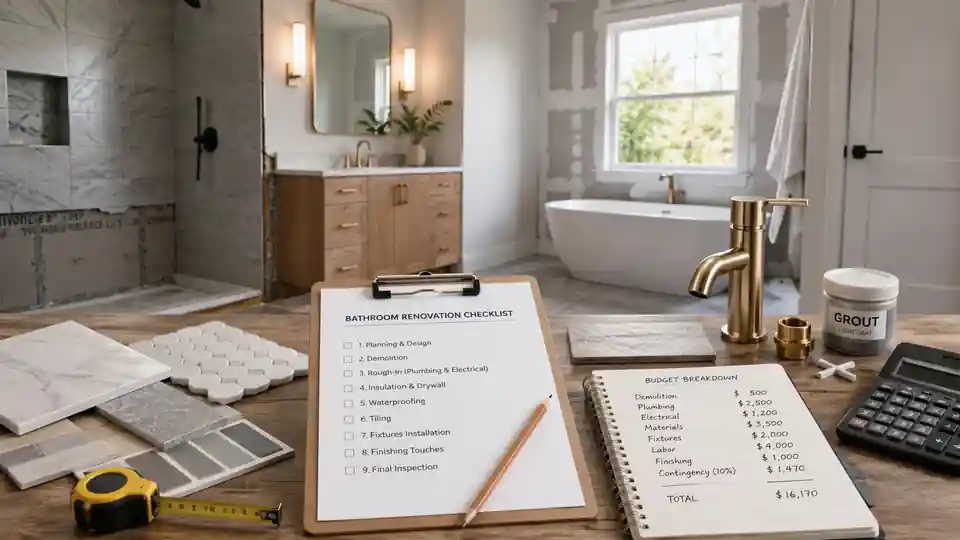
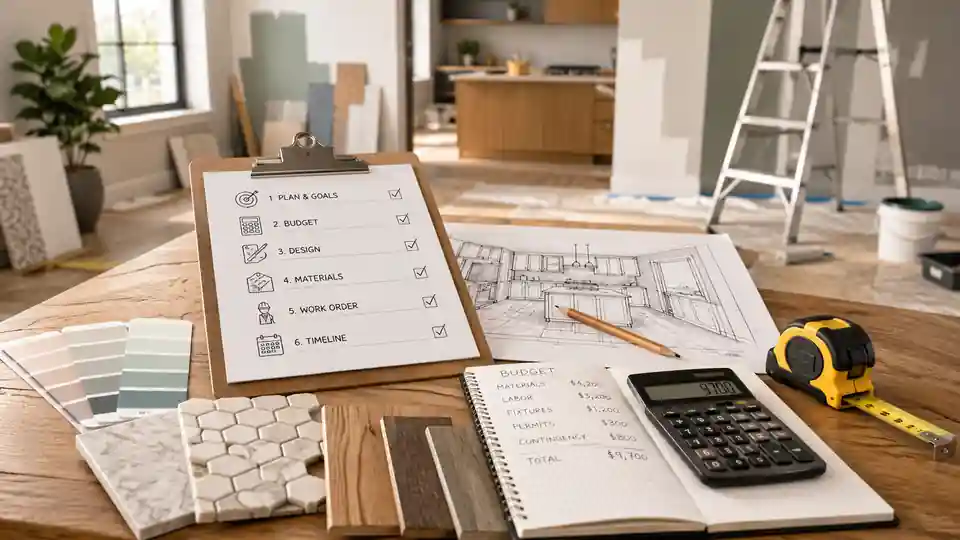
- Prepare an initial budget covering materials, contractor costs, delivery, disposal, smaller supplies and contingency.
- Choose materials based on measured area, expected waste, room conditions, maintenance requirements and available budget.
- Review higher-risk work separately, including electrical systems, plumbing, waterproofing, demolition and major surface correction.
Before ordering materials, read the relevant guide and then use a HomDera calculator to estimate quantities, pack counts or the working budget.
What to read first
When the project is still only an idea, begin with guides about the order of work and renovation budgeting. Once materials have been shortlisted, move to more specific topics such as flooring quantities, paint coverage, pack sizes and waste allowance. This creates a useful path from the overall plan to the individual purchase.
A practical reading path for your renovation
| Current situation | Start with | Next step |
|---|---|---|
| The renovation has not started | Guides about work sequence, scope and budgeting | Create a project list, material list and initial spending plan |
| You are ready to buy materials | Guides about flooring, paint, tiles, wallpaper and waste allowance | Check measured areas, pack coverage, product consumption and retailer prices |
| The budget is growing too quickly | Guides about renovation estimates and commonly missed costs | Separate essential work from optional finishes and upgrades |
| You are unsure about technical work | Introductory guides that explain the relevant system and terminology | Prepare specific questions for a contractor, electrician or plumber |
Topics covered in the renovation section
Main home renovation topics
| Topic | What the guides explain | When it is useful |
|---|---|---|
| Renovation planning | How to define the project, arrange the stages and prepare before buying materials | When the renovation is still being planned and the work sequence is unclear |
| Renovation budgeting | How to include materials, contractors, delivery, disposal, smaller supplies and contingency | When you need a realistic spending range rather than a rough guess |
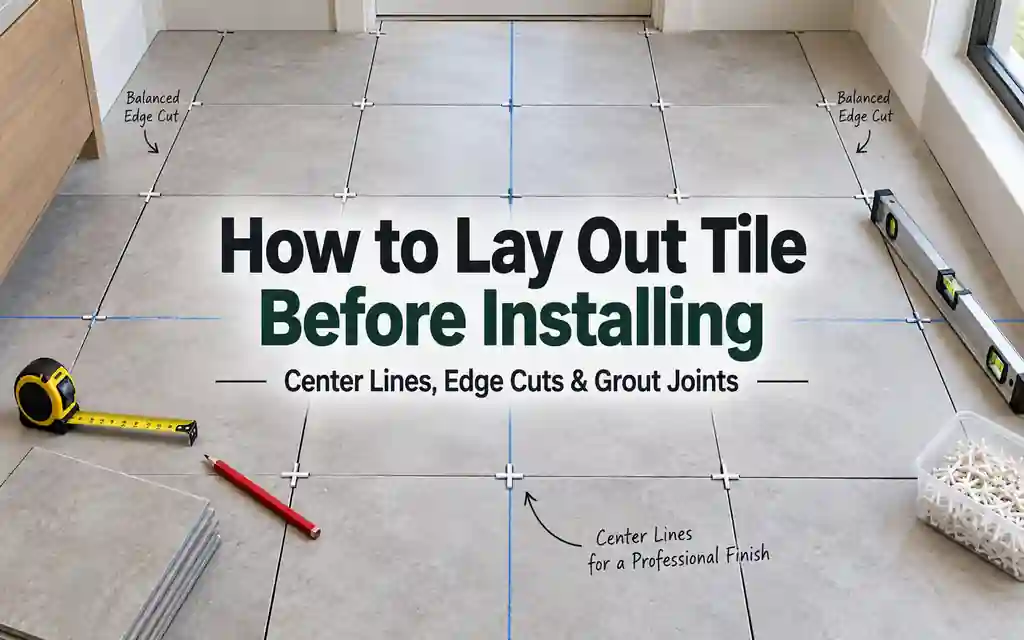
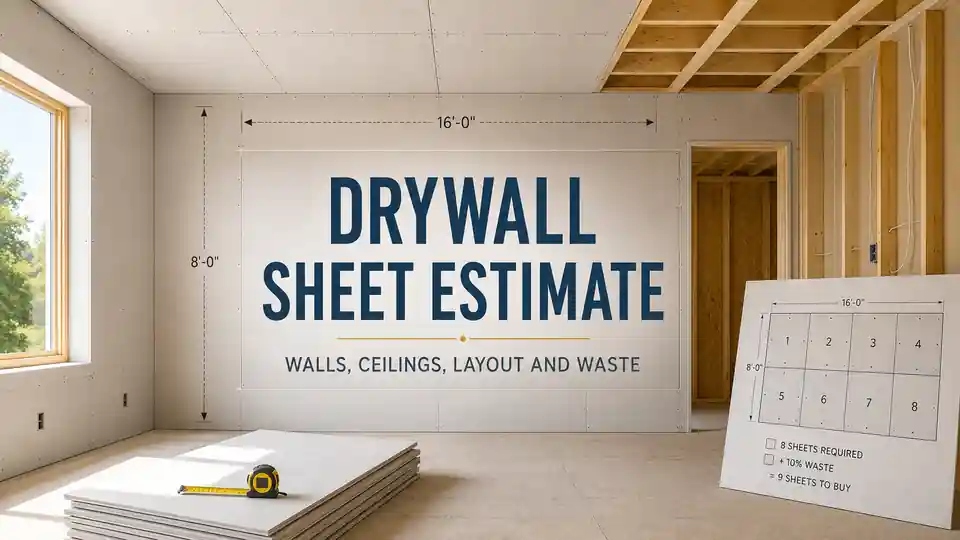
| Material quantities | Flooring, tiles, paint, wallpaper, compounds, pack sizes, cutting and waste allowance | When preparing orders and trying to avoid both shortages and unnecessary excess |
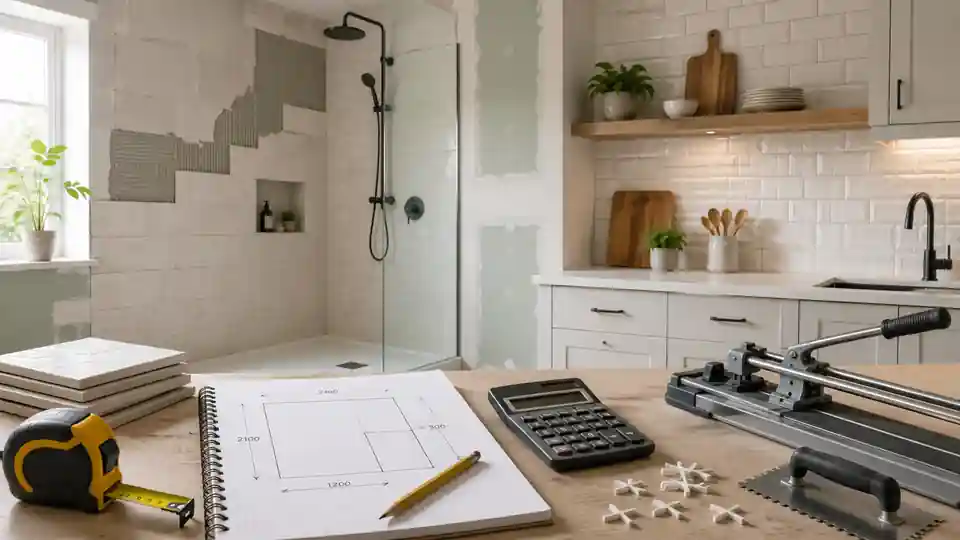
| Room preparation | Removal work, cleaning, measurements, surface inspection and preparation before finishing | When the existing condition may affect the quality or cost of the final result |
| Common renovation mistakes | Poor sequencing, incomplete estimates, missing waste allowance and rushed purchasing decisions | When you want to reduce the risk of delays, rework and avoidable spending |
Why a renovation budget matters before work begins
Renovation costs often rise because of many small omissions rather than one major mistake. The visible products are only part of the total. Delivery, carrying materials, removal work, surface preparation, primers, adhesives, compounds, fixings, protective coverings, tools, waste disposal, damaged pieces and additional contractor tasks can all affect the final amount.
A working estimate helps reveal whether the current plan is affordable before the room is dismantled or materials are ordered. It also makes it easier to decide which improvements are essential, which can be completed later and where a lower price is reasonable without creating a larger repair cost in the future.
Costs and details that are commonly overlooked
- extra material for cutting, corners, joints, pattern matching, damaged pieces and installation mistakes;
- removing old finishes and preparing the underlying surface before new materials are installed;
- delivery, carrying, storage, waste removal and other project logistics;
- primer, adhesive, levelling compound, grout, sealant, fixings and other supporting products;
- checking wiring, outlets, lighting positions and expected electrical loads before decorative finishes are completed;
- drying and curing periods, time between stages, contractor availability and possible delivery delays.
The renovation guides provide general information for early planning. They cannot replace an inspection of the property or advice from a qualified contractor, electrician, plumber, engineer or other relevant professional.
How to combine HomDera guides and calculators
A guide explains the practical reasoning behind a renovation decision, while a calculator helps turn measurements into an initial figure. Before ordering flooring, for example, it is useful to understand room area, cutting waste and pack coverage, then calculate the likely number of packs. Before setting a project budget, read about commonly missed costs and then estimate materials, contractor work and contingency separately.
Using guides and calculators together
| Your task | What to read | What to calculate |
|---|---|---|
| Planning a room renovation | A guide to work sequence, preparation and budgeting | Room areas, material quantities, contractor costs and contingency |
| Ordering flooring or tiles | A guide to measurements, cutting and waste allowance | Floor area, product quantity, pack count and spare material |
| Updating walls | A guide to paint, wallpaper or surface preparation | Wall area, paint volume, wallpaper rolls or tile quantity |
| Starting without a clear plan | A step-by-step home renovation planning guide | An initial project budget and material checklist |
Frequently asked questions about home renovation
Can I begin a renovation without preparing a budget?
You can, but it becomes much harder to control spending and project scope. Even a basic estimate should include materials, contractor costs, delivery, disposal, smaller purchases and contingency. It will not predict every expense, but it provides a more reliable starting point than making decisions one purchase at a time.
What matters more: expensive materials or proper preparation?
Correct preparation is often more important than choosing the most expensive finish. A high-quality product may still fail when the surface is damp, unstable, uneven, poorly cleaned or unsuitable for the installation method. The condition of the base and the quality of the preparation directly affect the final result.
When should I hire a qualified professional?
Professional help is strongly recommended for electrical systems, plumbing, gas equipment, structural changes, complex demolition, major floor or wall correction, waterproofed areas and expensive finishes where an installation error could create significant damage or safety risks.
Explore HomDera calculators for renovation planning and material estimates