

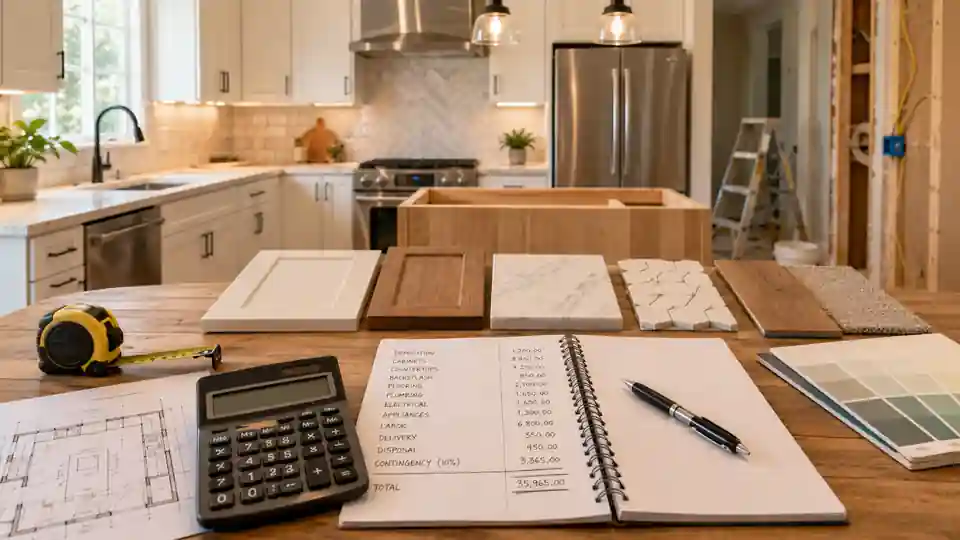
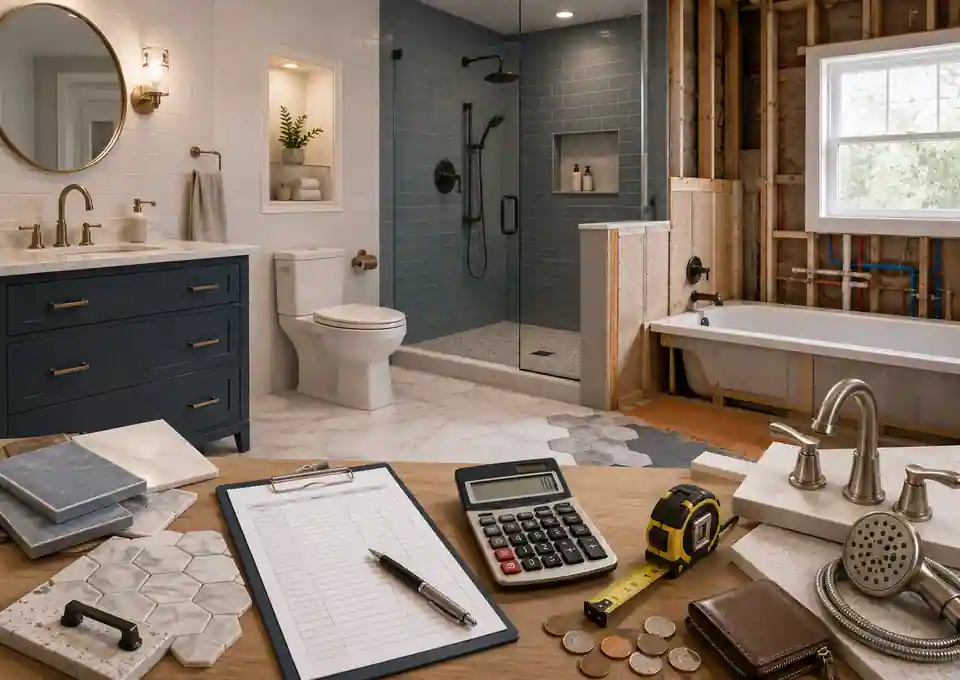
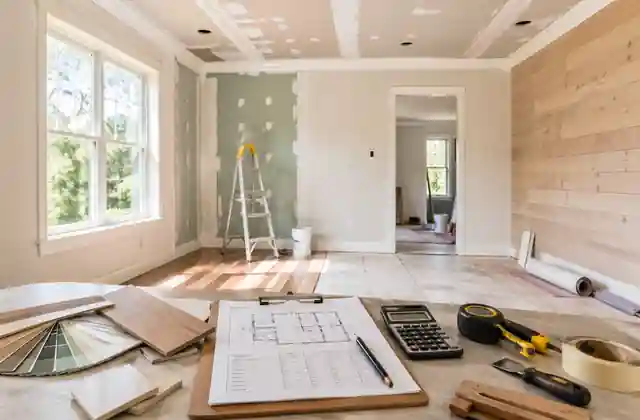
Build a renovation budget before the project starts consuming it
A renovation can look straightforward at the planning stage: choose the main materials, agree on a price with a contractor and begin the work. The budget often changes once the project is under way. Delivery charges, removal of old finishes, surface preparation, fixings, protective materials, waste disposal and unexpected repairs can all appear after the original estimate has been made.
This section brings together practical calculators for creating an early renovation budget. They are not a replacement for a detailed quotation or an on-site assessment, but they can help you understand the likely scale of the project before ordering materials, hiring tradespeople or committing to a particular design.
A HomDera renovation estimate is a planning figure, not a guaranteed final price. Use it to compare options, identify the largest cost categories and prepare more useful questions for suppliers and contractors.
Choose the calculator that matches your renovation decision
Renovation budget calculators available on HomDera
| What you need to plan | Recommended calculator | What the result can show |
|---|---|---|
| Estimate the cost of renovating one room | Room Renovation Cost Calculator | An initial budget for floors, walls, ceilings, materials, labour, delivery, smaller supplies and contingency |
| Estimate the cost of renovating a bathroom | Bathroom Renovation Cost Calculator | An initial budget for floor and wall tiles, demolition, waterproofing, plumbing, electrical work, installation, fixtures and contingency |
Example: why a room renovation costs more than the main finishes
Imagine that you are updating a bedroom or living room. The visible plan may include new flooring, painted or wallpapered walls, skirting boards, a light fitting and several replacement sockets. It is tempting to price only those items. A working budget, however, may also need underlay, primer, filler, adhesive, screws, connectors, masking materials, tools, delivery, waste removal and professional installation.
This is why a renovation calculator is most useful as a structured planning tool rather than a source of one attractive total. It helps separate the visible purchases from the supporting work and smaller items that are frequently discovered only after a large part of the available money has already been spent.
What a practical renovation estimate should include
A useful estimate should contain more detail than a single line labelled “room renovation”. Dividing the budget into clear categories makes it easier to see where the money is going, which costs are essential and where a cheaper choice could create additional work later.
- main materials, such as flooring, tiles, paint, wallpaper, cable, plumbing fixtures or other products required for the project;
- supporting materials, including primer, adhesive, levelling compounds, grout, sealant, fixings, underlay, trims and disposable supplies;
- labour and contractor charges for removal, preparation, installation, painting, tiling, wallpapering, fitting or connection work;
- delivery, carrying materials into the property, building waste removal, protective coverings and final cleaning;
- a contingency allowance for price changes, damaged materials, additional cuts, hidden defects and work that could not be identified in advance.
Information to collect before estimating your renovation budget
A budget becomes more useful when it is based on measured dimensions and current prices rather than general impressions. You do not need every detail before making a first calculation, but a small amount of preparation can make the result much closer to the decisions you will face during the project.
- the length, width and height of the room;
- the floor, wall and ceiling areas, when these have already been measured;
- a clear list of planned work, such as flooring, wall finishes, ceiling work, electrical changes, removal work, fitted furniture or decoration;
- recent prices for the main materials from local suppliers or online retailers that deliver to your area;
- estimated labour charges or preliminary quotations from contractors and tradespeople;
- delivery, access, carrying, parking, waste disposal and removal costs that may apply to the property;
- the amount you are prepared to reserve for unexpected work or price changes.
Even a basic budget divided into materials, labour, delivery and contingency is more useful than keeping the entire project as one number in your head. Separate categories make it easier to identify what is pushing the total beyond your original plan.
How to use the renovation cost calculators
- Select the calculator that matches your goal: estimating a general room renovation or preparing a more detailed bathroom renovation budget.
- Enter measured room dimensions, surface areas or material quantities when this information is available.
- Add current material prices and realistic labour rates for your location, supplier or contractor.
- Include delivery, carrying, removal work, small supplies, fixings, protective materials and waste disposal as separate costs.
- Set aside a contingency because concealed damage, extra preparation and price changes are common during renovation work.
- Compare the result with current supplier prices and any quotations you have received before making a final decision.
When exact prices are not yet available, start with realistic ranges or approximate figures. An early estimate can still reveal the likely total and show which parts of the project deserve more detailed research.
Why an early estimate rarely matches the final renovation cost
The final cost of a renovation often differs from the first calculation because some conditions cannot be confirmed until work begins. Removing an old finish may reveal an uneven subfloor, damp damage, weak plaster, outdated wiring, leaking pipework or a surface that needs more preparation than expected. Material prices and contractor availability may also change between planning and installation.
That does not make an estimate unnecessary. A well-organised budget gives you boundaries for making decisions. Without one, a renovation can become a long sequence of unplanned purchases. With one, you can see when a new request, product upgrade or hidden repair is moving the project beyond the amount you intended to spend.
HomDera renovation calculators provide approximate planning results. Actual costs depend on the condition of the property, local prices, material availability, labour rates, delivery arrangements, access, project complexity, hidden defects and changes made during the work.
Renovation costs that are frequently left out of the first budget
Budgets do not always fail because of one expensive purchase. More often, the total grows through many smaller items that seem insignificant when considered separately. Added together across an entire room or property, they can represent a substantial part of the final cost.
- delivery fees, access charges and carrying materials into the property;
- removal of old flooring, wallpaper, tiles, skirting boards, cabinets or other existing finishes;
- primer, adhesives, fillers, levelling products, grout, sealant, fixings and other supporting materials;
- building waste collection, disposal fees, bags, containers and cleaning after the work;
- extra material for cutting, pattern matching, damaged pieces, installation errors or future minor repairs;
- additional work that becomes necessary only after old finishes or fittings have been removed;
- small tools, floor protection, plastic sheeting, masking tape, gloves and other low-cost items that become expensive when purchased repeatedly.
When a cheaper option can produce a more expensive renovation
A renovation budget should consider not only the purchase price but also the possible cost of failure. A less expensive material or simplified installation method may be suitable in some situations. In others, the initial saving can lead to early replacement, removal work, repeated labour, new materials and damage to surrounding finishes.
Examples of additional costs caused by renovation mistakes
| Decision | The apparent saving | Possible later costs |
|---|---|---|
| Using a low-cost material in a heavily used area | Lower purchase price | Early replacement, repeated labour, disposal and another delivery |
| Skipping proper surface preparation | Less work at the beginning | Cracking, peeling, loose finishes and complete rework |
| Ordering materials without a waste allowance | A smaller initial order | A second order, additional delivery and visible differences between batches |
| Planning without a contingency fund | A lower-looking project total | Any hidden defect or price increase immediately creates a budget problem |
When you need a detailed estimate from a professional
An online calculator is suitable for an initial budget, but a complex renovation should normally be priced after an inspection of the property. A professional estimate is particularly important for electrical work, plumbing, bathrooms, structural alterations, layout changes, extensive removal work, surface levelling and full-home renovation projects.
A practical approach is to create an initial budget with HomDera, confirm current material and labour prices, and then review the scope and final estimate with the contractor or specialist responsible for the work.