












Practical calculators for renovation, materials and backup power
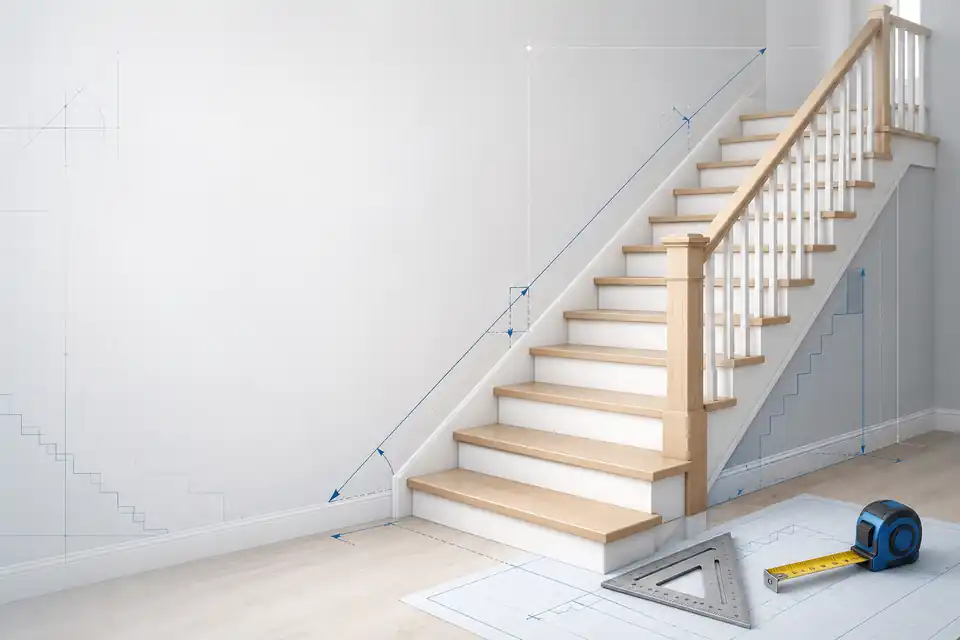
This page brings together HomDera calculators for common household projects: renovating a room, ordering flooring or tiles, painting walls, reviewing electrical demand or preparing a home for power outages. The approach is simple: estimate the likely figures first, then visit a supplier, speak with a contractor or compare equipment with a clearer understanding of what you need.
You can calculate floor and wall areas, estimate laminate packs, wallpaper rolls, paint containers and tile quantities, including an allowance for cutting and waste. You can also prepare an initial room renovation budget, review household electrical loads, estimate battery runtime or explore the battery capacity required to power a boiler, circulation pump or other essential equipment.
HomDera calculators are not intended to replace a contractor, engineer or qualified electrician. They provide a practical starting estimate that can help you understand the scale of a project, avoid buying materials blindly and ask a professional more specific questions.
Where to begin: choose the task you need to solve
Choosing the right calculator for your project
| Your situation | What to calculate | Why it matters |
|---|---|---|
| Planning a new floor in a room or hallway | Floor area, laminate flooring or tiles, cutting allowance and number of packs | To reduce the risk of running short, buying material from a different batch or paying for too many unused packs |
| Painting walls or installing wallpaper | Wall area after subtracting doors and windows, number of coats, wallpaper rolls or paint containers | To estimate how much material is likely to be needed for a bedroom, kitchen, hallway or other space |
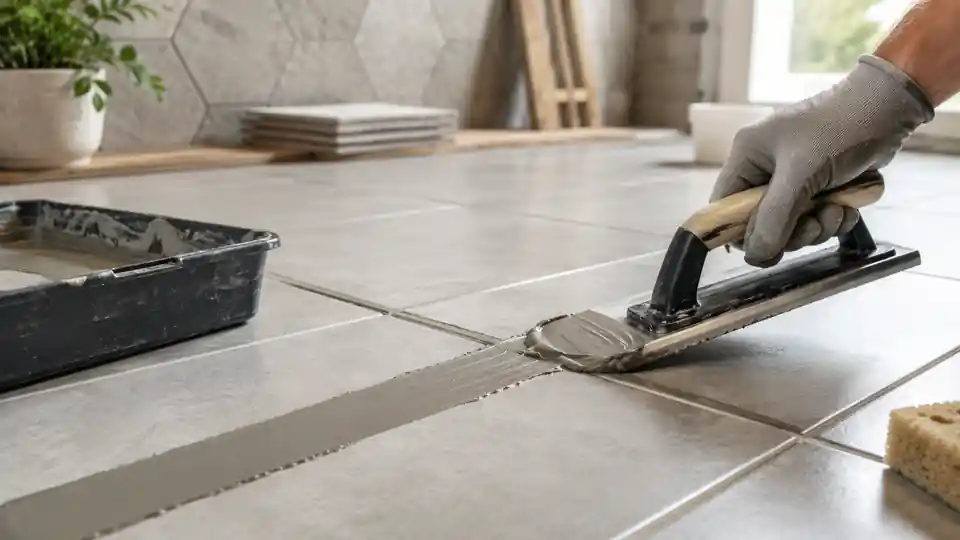
| Tiling a bathroom, kitchen or splashback | Wall or floor tile quantity, surface area, cutting allowance and number of packs | To account for corners, openings, recesses and cuts without trying to calculate everything while standing in a shop |
| Preparing a renovation budget | Materials, contractor costs, delivery, smaller purchases and a contingency allowance | To see a more realistic project range rather than an attractive minimum figure that excludes common expenses |
| Reviewing household electrical demand | Appliance power, estimated current, simultaneous load and an initial comparison with the main breaker rating | To understand which appliances may operate at the same time and prepare more specific questions for an electrician |
| Preparing for power outages | Battery runtime, required battery capacity, UPS or inverter size and backup power for a boiler | To avoid choosing equipment by guesswork and estimate how long essential devices may continue operating |
How to use the calculators without misleading yourself
- Measure the room properly instead of describing it as “roughly three by four”. An error of 20 or 30 centimetres in one or more measurements can noticeably change the final material quantity.
- Include an allowance for waste created during installation, including flooring and tile cuts, wallpaper pattern matching, uneven surfaces, damaged pieces and occasional mistakes.
- Compare the result with the manufacturer’s product information, including coverage per pack, paint coverage rate, tile dimensions and wallpaper roll length.
- Do not treat an electrical calculation as permission to install or connect equipment yourself. It is intended to explain likely demand, not to replace proper electrical design or installation.
- Before buying expensive equipment such as an inverter, UPS, battery or charger, check the figures again and discuss the planned system with a suitably qualified professional.
Important: calculator results are estimates. Actual material use and equipment performance depend on room dimensions, surface condition and flatness, installation method, the selected product, technical specifications and workmanship. Calculations involving electricity, batteries, UPS systems, inverters and boilers are not installation instructions.
Example: estimating the renovation of one room
Next, calculate the wall area after subtracting doors and windows, estimate the paint required for two coats and prepare a draft budget that includes materials, contractor costs, delivery and contingency.
This process will not automatically make the renovation inexpensive, but it removes much of the uncertainty. You can see which parts of the project are likely to cost the most, where a less expensive alternative may be reasonable and where saving money now could lead to rework or urgent material purchases later.
Why calculating before buying materials makes a difference
Renovation budgets often grow because of many small omissions rather than one major mistake. The estimate may exclude an extra pack of flooring, tile cutting waste, primer, additional paint, delivery or minor supplies. Each item may seem insignificant on its own, but together they can consume a noticeable part of the budget.
Early calculations are particularly useful when comparing several products or project options. One type of flooring may have a lower price per unit of area but come in a less convenient pack size. One paint may cost more but provide better coverage. A battery may look adequate on paper until inverter losses, permitted depth of discharge and the actual connected load are included in the runtime estimate.
When professional advice is the safer choice
- when electrical wiring, the electrical panel, circuit breakers, earthing or dedicated power circuits need to be changed;
- when installing or connecting backup power equipment for a boiler, including an inverter, UPS, charger or permanent battery storage system;
- when renovation work affects load-bearing structures, complex demolition, gas equipment, ventilation or areas exposed to water;
- when an incorrect calculation could affect fire safety, essential equipment, building integrity or the safety of people in the home.
A sensible process is to estimate the project with HomDera, compare the figures with product packaging or equipment documentation, and then review the result with a contractor, electrician or other qualified professional whenever the work is safety-critical or requires technical installation.